Probiotics, those tiny but mighty microorganisms, have been making waves in the health world for their potential to support not just gut health, but also hormonal balance. Here's how these beneficial bacteria can play a role in your hormonal health journey:
- Gut-Hormone Connection: The gut is often referred to as the "second brain" because of its significant influence on overall health, including hormonal regulation. Recent research has shown that probiotics may be able to help maintain a healthy gut microbiome, which in turn could positively affect hormone levels for some people.¹¹ A balanced gut may support estrogen metabolism, which in turn supports better hormone health.¹¹
- Stress Reduction: Ever felt butterflies in your stomach when stressed? That's your gut and brain communicating. Some recent research has shown that probiotics may be able to help reduce stress and occasional anxiety by supporting healthy levels of cortisol in the body.¹² Healthy levels of cortisol can support better hormonal harmony.¹²
- Healthy Insulin Sensitivity: Studies have suggested that certain strains of probiotics have the potential to support insulin sensitivity.¹³
The Role Of Omega-3 Fatty Acids With Hormones
Omega-3 fatty acids are essential fats that are crucial to overall health. These powerhouse nutrients are not just good for your heart; they can support everything from mood to metabolism.¹⁴
Controlling Inflammation
Research has shown that omega-3s can help control inflammation, which can have a negative effect on hormone levels and cause damage to your body.¹⁴ Research suggests that long-term inflammation can potentially lead to chronic illnesses such as heart disease.¹⁴
Helping With PMS Effects
Some studies have shown that Omega-3s have helped reduce menstrual pain for women, helping to provide milder PMS effects.¹⁴
Wholesome Story’s Hormone Balance Supplements
At Wholesome Story, we've got your back. Our mission is to empower you to take control of your health and write your own story, one that's filled with wellness and joy. Here are some of our hormone balance supplements and how they can lead you to support healthy hormone balance:
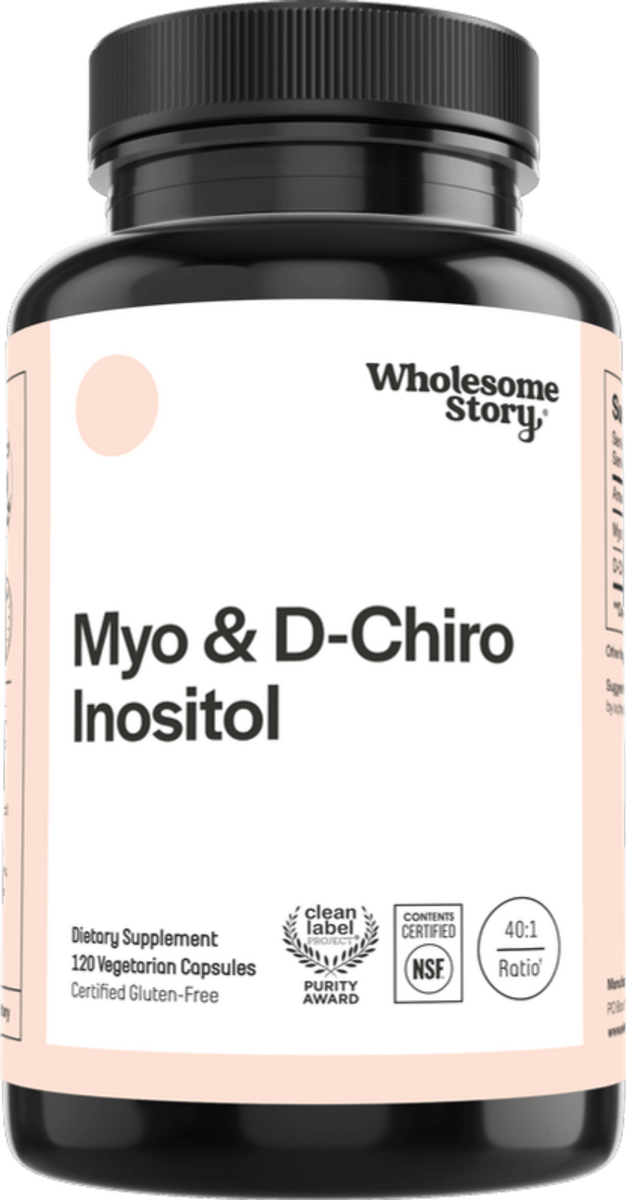
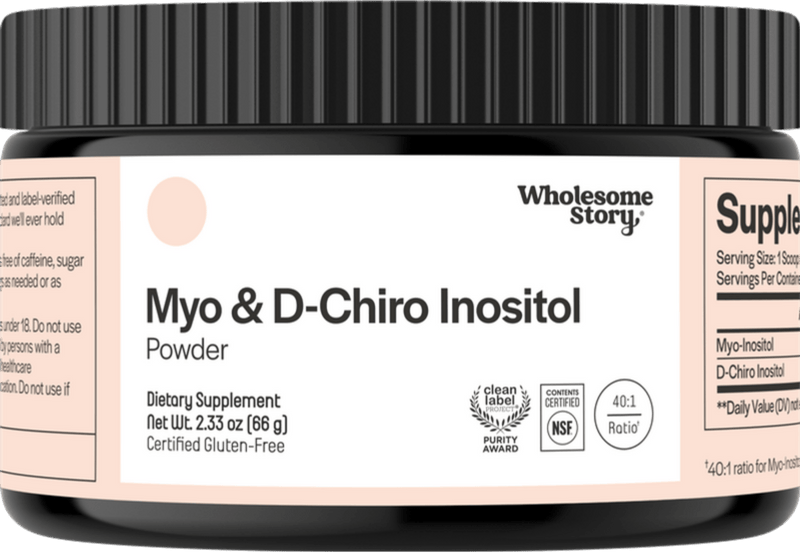
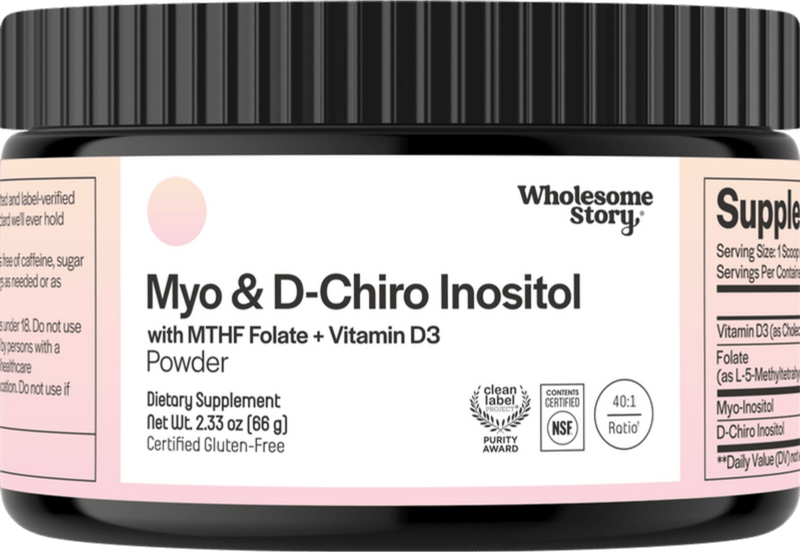
- Myo-Inositol & D-Chiro Inositol: Each serving of this supplement blend provides 2,000 mg of Myo-Inositol and 50 mg of D-Chiro Inositol, reflecting the body's natural 40:1 ratio. It supports healthy hormone levels, menstrual cycles, and ovarian health.*
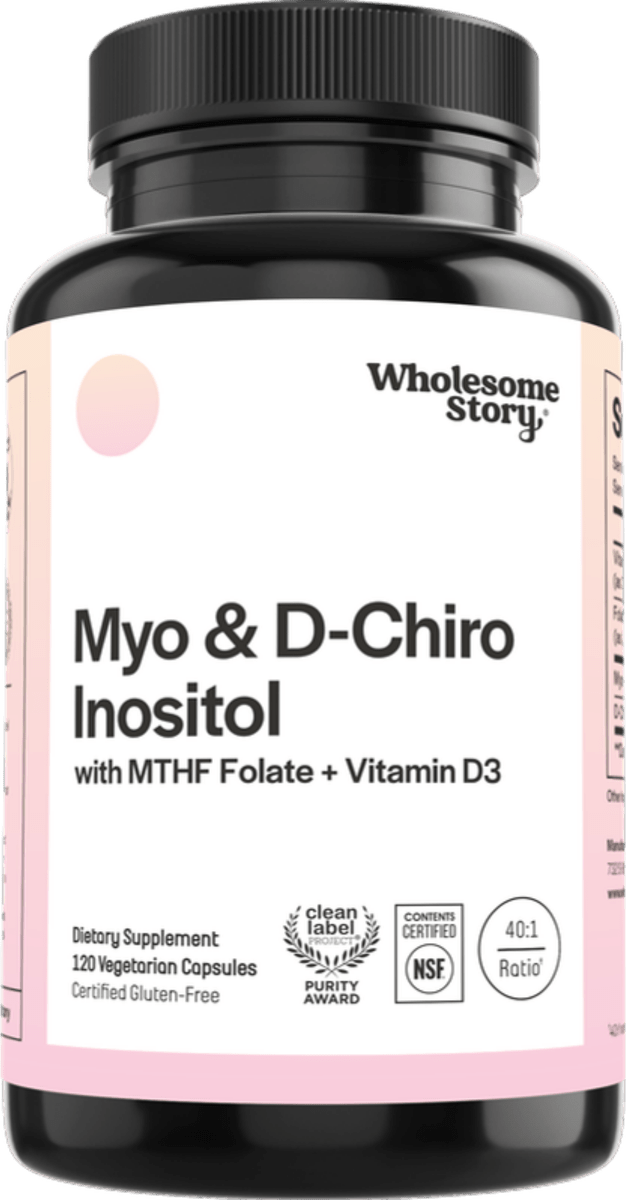
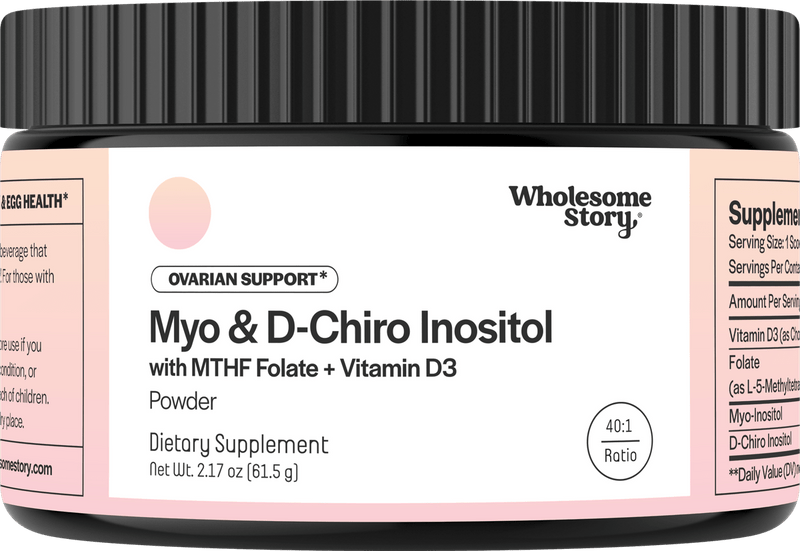
- Myo-Inositol & D-Chiro Inositol + MTHF Folate & Vitamin D3: This supplement combines inositols with MTHF Folate and Vitamin D3 to support healthy hormone levels and reproductive health.*
- Vitex (Chaste Tree Berry): For centuries, Vitex has been used to support female hormonal health including reproductive and fertility health. It's also an effective, natural way to reduce PMS and Menopause symptoms.*
Read also:
*These statements have not been evaluated by the Food and Drug Administration. This product is not intended to diagnose, treat, cure, or prevent any disease.
Disclaimer
Sources:
- Raza, M. L., Hassan, S. T., Jamil, S., Fatima, W., & Fatima, M. (2025). Nutritional Interventions in Depression: The Role of Vitamin D and Omega-3 Fatty Acids in Neuropsychiatric Health. Clinical Nutrition. https://doi.org/10.1016/j.clnu.2025.01.009
- National Institutes of Health. (2024, July 26). Vitamin D. National Institutes of Health. https://ods.od.nih.gov/factsheets/VitaminD-HealthProfessional/
- Streit, L. (2018, October 1). 9 Health Benefits of Vitamin B6 (Pyridoxine). Healthline. https://www.healthline.com/nutrition/vitamin-b6-benefits#TOC_TITLE_HDR_2
- Kubala, J. (2013, June 6). What Are the Benefits of Vitamin E? Healthline; Healthline Media. https://www.healthline.com/health/all-about-vitamin-e#food-sources
- Fiorentini, D., Cappadone, C., Farruggia, G., & Prata, C. (2021). Magnesium: Biochemistry, Nutrition, Detection, and Social Impact of Diseases Linked to Its Deficiency. Nutrients, 13(4), 1136. https://doi.org/10.3390/nu13041136
- Greenberg JA, Bell SJ, Guan Y, Yu YH. Folic Acid supplementation and pregnancy: more than just neural tube defect prevention. Rev Obstet Gynecol. 2011 Summer;4(2):52-9. PMID: 22102928; PMCID: PMC3218540.
- Baltaci AK, Mogulkoc R, Baltaci SB. Review: The role of zinc in the endocrine system. Pak J Pharm Sci. 2019 Jan;32(1):231-239. PMID: 30772815.
- Ventura M, Melo M, Carrilho F. Selenium and Thyroid Disease: From Pathophysiology to Treatment. Int J Endocrinol. 2017;2017:1297658. doi: 10.1155/2017/1297658. Epub 2017 Jan 31. PMID: 28255299; PMCID: PMC5307254.
- National Institutes of Health. (2022). Office of Dietary Supplements - Iodine. Nih.gov. https://ods.od.nih.gov/factsheets/Iodine-HealthProfessional/
- National Institutes of Health. (2022, April 5). Iron. National Institutes of Health. https://ods.od.nih.gov/factsheets/Iron-HealthProfessional
- He S, Li H, Yu Z, Zhang F, Liang S, Liu H, Chen H, Lü M. The Gut Microbiome and Sex Hormone-Related Diseases. Front Microbiol. 2021 Sep 28;12:711137. doi: 10.3389/fmicb.2021.711137. PMID: 34650525; PMCID: PMC8506209.
- Madison A, Kiecolt-Glaser JK. Stress, depression, diet, and the gut microbiota: human-bacteria interactions at the core of psychoneuroimmunology and nutrition. Curr Opin Behav Sci. 2019 Aug;28:105-110. doi: 10.1016/j.cobeha.2019.01.011. Epub 2019 Mar 25. PMID: 32395568; PMCID: PMC7213601.
- Baroni, I., Fabrizi, D., Luciani, M., Magon, A., Conte, G., Giada De Angeli, Paglione, G., Davide Ausili, & Caruso, R. (2024). Probiotics and synbiotics for glycemic control in diabetes: A systematic review and meta-analysis of randomized controlled trials. Clinical Nutrition, 43(4), 1041–1061. https://doi.org/10.1016/j.clnu.2024.03.006
- Freydis Hjalmarsdottir, MS. (2018, October 15). 17 Science-Based Benefits of Omega-3 Fatty Acids. Healthline; Healthline Media. https://www.healthline.com/nutrition/17-health-benefits-of-omega-3#inflammation