|
Definition: Polycystic ovary syndrome (PCOS), also known as PMOS now, is a chronic condition that affects people assigned female at birth of reproductive age. The condition can cause infertility, unwanted hair growth, irregular or absent menstruation, insulin resistance, and weight gain around the abdomen—often referred to as PCOS belly.¹
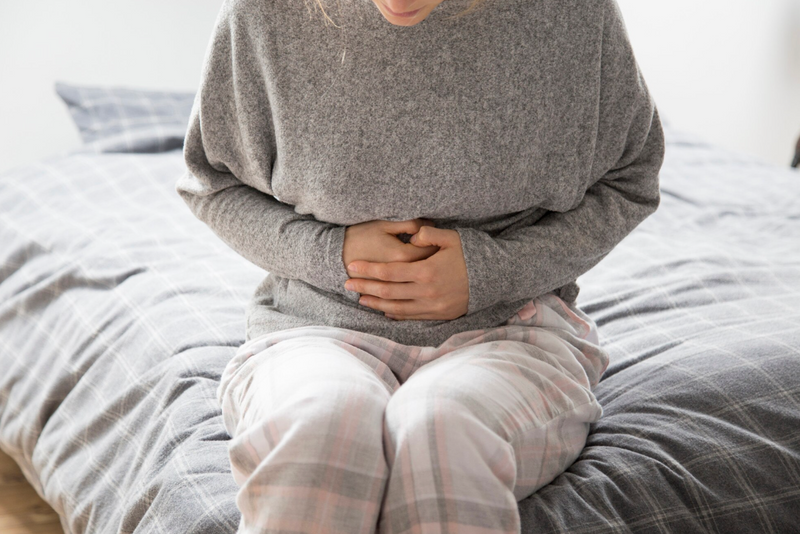
Science: PCOS/PMOS belly occurs when people living with PCOS/PMOS develop excess belly fat or weight gain around their abdomen. Research suggests that people with PCOS/PMOS experience more fat distribution around their abdomen compared to other parts of the body.¹
Examples: PCOS belly is just one symptom of PCOS. Other PCOS/PMOS symptoms include:
- Unwanted hair growth around the face and body
- Acne
- Irregular or absent menstruation
- Infertility
Interesting Fact: PCOS is widely recognized as a disorder that affects both hormones and metabolism, impacting nearly 20% of women of reproductive age.¹
|
Key Takeaways:
-
The Basics Of PCOS Belly: This term refers to the abdominal weight gain and bloating associated with Polycystic Ovary Syndrome, largely influenced by hormonal imbalances and insulin resistance.¹
-
The Causes Of PCOS: Understanding the causes, such as hormonal imbalances and lifestyle factors, is crucial for managing PCOS belly.
-
Managing PCOS Symptoms: Strategic lifestyle and diet adjustments potentially can help manage PCOS symptoms and improve overall health, underscoring the importance of a holistic approach to wellness.
PCOS Belly is a term used to describe the abdominal weight gain and bloating that many women with Polycystic Ovary Syndrome (PCOS) experience. PCOS can cause bloating due to a combination of hormonal disruptions and digestive problems. Increased androgen levels may impact gut function, contributing to bloating and discomfort.²
Studies have suggested a close relationship between weight gain and PCOS, and this phenomenon can be both a frustrating and challenging aspect of managing PCOS.²
PCOS affects hormone regulation, often resulting in higher levels of insulin, which can promote fat storage around the midsection.³ Additionally, insulin resistance can exacerbate weight gain, making it more difficult to manage abdominal fat. This can impact not only physical health but also self-esteem and mental well-being.³
Causes Of PCOS Belly
Polycystic Ovary Syndrome (PCOS) is a complex condition that often presents with a wide array of symptoms, including the dreaded "PCOS belly," a term used to describe the stubborn abdominal weight gain or bloating seen in many women suffering from this condition. Understanding its causes can empower you to take steps toward managing it effectively.
-
Hormonal Imbalance: One of the main culprits behind PCOS belly is hormonal imbalance. Women with PCOS often have higher levels of androgens, which are male hormones that can lead to weight gain, especially around the abdomen.⁴ Additionally, insulin resistance, common in those with PCOS, can exacerbate weight gain.³
-
Chronic Inflammation: PCOS is often associated with low-grade inflammation throughout the body.⁴ This inflammation can contribute to the development of insulin resistance, further complicating weight management and leading to increased abdominal fat.³
-
Diet and Lifestyle: Eating habits and physical activity levels play a significant role in managing PCOS symptoms. Diets high in refined carbohydrates, sugar, and unhealthy fats can contribute to weight gain, while a sedentary lifestyle can make it challenging to shed extra pounds. Incorporating a balanced diet with anti-inflammatory foods and regular exercise can help combat the effects.³
-
Stress and Cortisol Levels: The stress hormone cortisol can also contribute to the retention of abdominal fat.⁵ Stressful lifestyles or emotional stress related to managing PCOS symptoms can lead to elevated cortisol levels, which in turn may increase fat deposition in the abdominal area.
Symptoms Of PCOS Belly
Understanding the symptoms of PCOS belly can be crucial for early identification and management. Here are some of the common indicators:
-
Abdominal Bloating: This is one of the most noticeable symptoms. Often persistent, the bloating can occur independently of food intake and can be distressing due to its impact on appearance and comfort. Bloating from PCOS is often hormone-driven and fluctuates with the menstrual cycle, while IBS-related bloating is typically triggered by food and gut sensitivity.²
-
Insulin Resistance: Insulin resistance is a hallmark of PCOS and contributes to the buildup of abdominal fat. It can lead to increased insulin levels, prompting the body to store more fat, particularly around the stomach.¹
-
Androgen Levels: Elevated androgens, or male hormones, are common in women with PCOS and can cause weight gain around the belly. This hormonal imbalance can also affect the storage and distribution of fat in the body.⁴
-
Mood Swings and Fatigue: The physical changes associated with PCOS belly often bring emotional distress. Some women may report feelings of frustration, low mood, and fatigue, impacting their overall well-being.⁶

Diet Tips For Managing PCOS Belly
Managing PCOS belly can be challenging, but making strategic dietary choices can help alleviate symptoms and promote a healthier lifestyle. Here are some tips to guide you:
1. Focus On Whole Foods
Incorporate a variety of nutrient-rich whole foods such as fruits, vegetables, lean proteins, and whole grains. These foods can help stabilize blood sugar levels, reducing insulin spikes that often contribute to weight gain and increased abdominal fat in women with PCOS.
2. Limit Processed Foods And Sugars
Try to reduce your intake of processed foods and added sugars, which can lead to insulin resistance and weight gain. Instead, reach for natural sweeteners like honey or maple syrup in moderation, and choose whole-food alternatives whenever possible.
3. Balance Your Macronutrients
Ensuring balanced macronutrients – proteins, fats, and carbohydrates – in every meal can help maintain energy levels and prevent overeating. Opt for complex carbohydrates like quinoa or sweet potatoes, healthy fats such as avocados or nuts, and lean protein sources like chicken or legumes.
4. Prioritize Fiber
High-fiber foods can improve digestion and enhance feelings of fullness, helping to control hunger and manage weight. Aim to include foods like beans, lentils, vegetables, and fruits in your diet to support your digestive health, and choose whole grains whenever possible.
5. Stay Hydrated
Drinking plenty of water is crucial for overall health and can aid in digestion and satiety. Make sure to hydrate throughout the day, aiming for at least eight 8-ounce glasses of water daily.⁷
Exercises To Reduce PCOS Belly Fat
Strength Training
Strength training isn't just about building muscles — it's also a powerful tool against insulin resistance, a common challenge for those with PCOS. By incorporating activities like weight lifting or resistance band exercises, you can increase your metabolism and aid in fat loss. Aim for sessions a few times a week, focusing on full-body workouts.⁸
Cardio Workouts
Aerobic exercises help burn calories and improve cardiovascular fitness, which can be beneficial in managing PCOS symptoms. Consider engaging in activities like brisk walking, cycling, or swimming for 30 minutes a day to increase the frequency of menstrual cycles and assist with weight management.⁹
High-Intensity Interval Training (HIIT)
HIIT workouts, which involve short bursts of intense exercises followed by brief periods of rest, can help with weight loss and enhance insulin sensitivity. Examples include sprinting, jumping jacks, or burpees. Even short 20-minute sessions can provide significant benefits, making it a convenient option for those with busy schedules.¹⁰
Mindful Movement: Yoga And Pilates
Finding balance through mindful movement practices like yoga and Pilates can offer dual benefits for women with PCOS. These exercises not only help in reducing stress — a major factor influencing weight management — but they also improve flexibility and core strength. Incorporating just a few sessions a week can foster a sense of peace and bodily awareness, in addition to the physical health benefits.¹¹
Read also:
Frequently Asked Questions About PCOS Belly
What is PCOS belly?
PCOS belly refers to the specific pattern of weight distribution commonly seen in women with Polycystic Ovary Syndrome (PCOS). It is characterized by excess fat accumulation around the abdominal area. This condition can cause both physical discomfort and emotional distress, but understanding its underlying causes can empower women to manage their symptoms effectively.¹
How does PCOS affect weight distribution?
PCOS can significantly affect how weight is distributed throughout the body due to hormonal imbalances.¹ High levels of androgens, or male hormones, along with insulin resistance, can lead to an increase in visceral fat storage around the abdomen.¹
Why do people with PCOS gain weight around their abdomen?
The abdominal weight gain associated with PCOS is often linked to insulin resistance.² When the body's cells become less responsive to insulin, more insulin is produced to keep blood sugar levels stable. This excess insulin can promote fat storage, especially around the abdomen, as the body attempts to store blood sugar as fat.³
Can PCOS cause a bloated stomach?
Yes, PCOS can lead to bloating for several reasons, including hormonal imbalances and digestive issues. Elevated androgen levels can affect digestive health, leading to symptoms such as bloating.²
Is PCOS belly the same as abdominal obesity?
While similar, they are not identical. Abdominal obesity can occur in anyone and refers to fat accumulation around the abdomen. However, PCOS belly is a specific type of abdominal adiposity, specifically related to the hormonal and metabolic factors unique to PCOS.¹ Understanding the distinction can help in developing targeted management strategies.
How does insulin resistance contribute to PCOS belly?
Insulin resistance plays a central role in the development of PCOS belly. When the body becomes resistant to insulin, it results in higher levels of circulating insulin.³ This condition prompts fat cells to store more glucose, particularly around the abdominal area, leading to the characteristic weight gain associated with PCOS.³ Addressing insulin resistance through diet and exercise can be an essential step in managing PCOS belly.
This article is for informational purposes only and does not replace professional medical advice. Please consult a healthcare provider for personalized guidance.
Disclaimer
Sources:
- Gu, Y., Zhou, G., Zhou, F., Wu, Q., Ma, C., Zhang, Y., Ding, J., & Hua, K. (2022). Life Modifications and PCOS: Old Story But New Tales. Frontiers in Endocrinology, 13. https://doi.org/10.3389/fendo.2022.808898
- PCOS and Bloating: Why It Happens and Ways to Treat It | PCOS | Blogs | Proactive For Her. (2021). Proactive for Her. https://proactiveforher.com/blogs/pcos/pcos-and-bloating-why-it-happens-and-ways-to-treat-it/
- Barber TM, Hanson P, Weickert MO, Franks S. Obesity and Polycystic Ovary Syndrome: Implications for Pathogenesis and Novel Management Strategies. Clin Med Insights Reprod Health. 2019 Sep 9;13:1179558119874042. doi: 10.1177/1179558119874042. PMID: 31523137; PMCID: PMC6734597.
- Singh S, Pal N, Shubham S, Sarma DK, Verma V, Marotta F, Kumar M. Polycystic Ovary Syndrome: Etiology, Current Management, and Future Therapeutics. J Clin Med. 2023 Feb 11;12(4):1454. doi: 10.3390/jcm12041454. PMID: 36835989; PMCID: PMC9964744.
- Moyer AE, Rodin J, Grilo CM, Cummings N, Larson LM, Rebuffé-Scrive M. Stress-induced cortisol response and fat distribution in women. Obes Res. 1994 May;2(3):255-62. doi: 10.1002/j.1550-8528.1994.tb00055.x. PMID: 16353426.
- Watson, Stephanie. "Polycystic Ovary Syndrome (PCOS): Symptoms, Causes, and Treatment." Healthline, 26 Feb. 2023, www.healthline.com/health/polycystic-ovary-disease.
- Stathos, Amanda. "PCOS Diet." Johns Hopkins Medicine, 2025, www.hopkinsmedicine.org/health/wellness-and-prevention/pcos-diet.
- Kite, C., Parkes, E., Taylor, S. R., Davies, R. W., Lagojda, L., Brown, J. E., Broom, D. R., Kyrou, I., & Randeva, H. S. (2022). Time to Load Up–Resistance Training Can Improve the Health of Women with Polycystic Ovary Syndrome (PCOS): A Scoping Review. Medical Sciences, 10(4), 53. https://doi.org/10.3390/medsci10040053
- Nall, R. (2020, December 1). The best types of exercise for polycystic ovarian syndrome (PCOS). Healthline. https://www.healthline.com/health/womens-health/exercise-for-pcos
- Mohammadi, Somayeh, et al. "Effects of Eight-Week High-Intensity Interval Training on Some Metabolic, Hormonal and Cardiovascular Indices in Women with PCOS: A Randomized Controlled Trial." BMC Sports Science, Medicine and Rehabilitation, vol. 15, no. 1, 29 Mar. 2023, article no. 47, https://bmcsportsscimedrehabil.biomedcentral.com/articles/10.1186/s13102-023-00653-z.
- Lindberg, Sara. "Can Yoga Relieve Symptoms of PCOS?" Healthline, 19 Sept. 2024, www.healthline.com/health/yoga-for-pcos
Educational content only. This article is not medical advice. Talk with a healthcare provider before you change your diet or start a supplement. *These statements have not been evaluated by the Food and Drug Administration. These products are not intended to diagnose, treat, cure, or prevent any disease.