
IBS
PCOS/PMOS and Your Gut: The IBS Connection
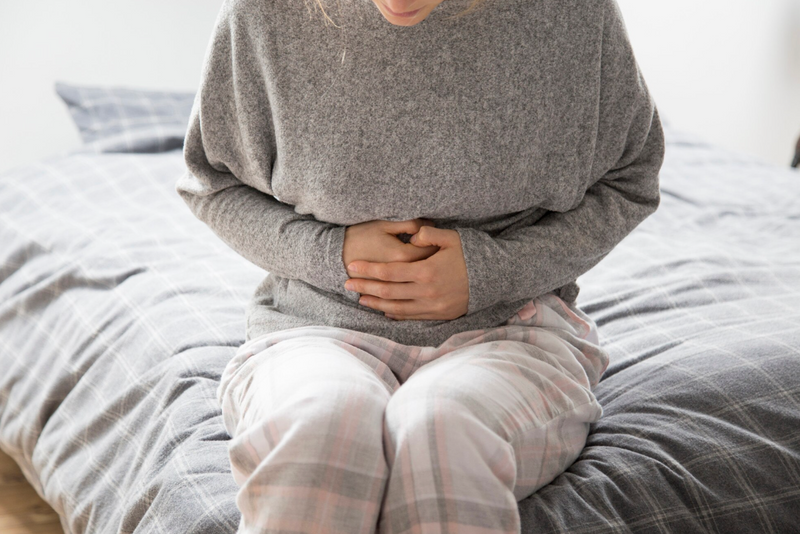
If you live with PCOS/PMOS, you may have noticed that your gut has its own story to tell. Bloating, cramping, and changes in bathroom habits are common complaints. For some women, these...
Type 2 letters or more. Press Enter for all results.


Are you trying to learn how to help your body prepare for having children and improve your overall health? Ashwagandha, a popular herb, has been used in traditional medicine for a long time.* While more research is still being done, it shows promise for people looking to conceive, potentially by supporting hormone levels and sexual health.*¹
At Wholesome Story, we want to give you the information and resources to support your bodies. Today, we're checking out ashwagandha—an ancient herb that's becoming a hot topic when it comes to supporting fertility.
In this article, we'll explore how ashwagandha works, what studies have found about how it affects fertility, and some easy ways you can add it to your daily life.
Ashwagandha, also known by its scientific name Withania somnifera, is an herb that has been super important in ancient medicine for thousands of years. People use the root and berries of this plant to make supplements, powders, and teas. Ashwagandha may offer several wellness-supporting properties*, such as:
As we learn more about the benefits ashwagandha might offer, it's pretty clear that this ancient herb isn't just something from the past—it might be a great way to support your health today.*

Ashwagandha, an ancient herb, has been gaining attention for its potential benefits in fertility and hormonal balance. But how exactly does it support your hormones?
Ashwagandha is known for its adaptogenic properties.⁵ That's a fancy term that means it helps your body deal with stress. And when you're less stressed, your body doesn't pump out as much cortisol.⁵ Too much cortisol can negatively impact your fertility, making it harder to get pregnant.¹ By keeping cortisol in check, ashwagandha can potentially help your body stay in a better state for making babies.*
Ashwagndha may be able to support sexual health and satisfaction for some individuals, making the road to getting pregnant a little easier.²* This may help with couples who are trying to conceive, to further support reproductive health.
Ashwagandha is an ancient herb used in traditional medicine, and some studies suggest it might support fertility.*¹ It could do this by supporting hormonal health and possibly libido as well.¹,²
Ashwagandha might also help lower the amount of a stress hormone called cortisol in your body. This could make you feel less stressed and more relaxed.¹* This could be helpful for people who want to have a baby because less cortisol can create a better environment for getting pregnant.¹
As we learn more, it seems ashwagandha might be more than just an ancient ingredient. It could be a helpful option for women who want to support their ability to get pregnant.*

Adding ashwagandha to your daily routine might be simpler than you think, and it has the potential to support your fertility health.* Here's how you can easily make this classic herb a part of your day:
When it comes to using ashwagandha for fertility*, it's important to know what you're getting into. This ancient herb has been used for centuries*, but that doesn't mean it's without its risks.

If you're looking for ways to support your health and fertility, ashwagandha can potentially be a good choice.* It might support your fertility by helping to balance stress hormones, promoting healthy sleep, and supporting sexual health.¹*
At Wholesome Story, our goal is to give you helpful options that combine old traditions with new ideas. We carefully create our clean Fertility Support For Her* supplements and have them third-party tested to make sure they're clean.* We want to support you on your health journey. Remember, your experience is your own, and we're here to help you move forward feeling cared for. When you choose Wholesome Story, you're not just picking a product; you're joining a group that cares about your health and happiness.
Read also:
Ashwagandha is an ancient herb that's been used for centuries in traditional Ayurvedic medicine.⁵ It's known for its adaptogenic properties, which means it can support your body’s stress management and promote overall wellness.*⁵ At Wholesome Story, we believe in the powerful potential of this herb to support your health and fertility journey.*
Research is ongoing, but studies suggest that ashwagandha may help with fertility by lowering stress, improving sleep, and supporting your sexual health.¹*
While ashwagandha is considered generally safe for most people, at least in the short-term*, it's always a good idea to talk to your doctor before starting any new supplement.⁶ Women who are trying to conceive should discontinue ashwagandha when they discover that they’re pregnant.⁷
Ashwagandha can help to support healthy stress management*, reduce occasional anxiety*, support athletic energy and stamina*, support healthy sleep patterns*, and also support sexual health*.¹,²,³,⁴
Ashwaganda works within the body by helping to regulate cortisol, boosting energy and stamina, and supporting healthy sexual desire in both men and women.¹
Yes, Ashwagandha may help support male fertility.* Some research suggests it supports better stress management, hormone balance, and sperm health.⁸* Shop our Male Fertility Support Supplements to get the support of ashwagandha.
This article is for informational purposes only and does not replace professional medical advice. Please consult a healthcare provider for personalized guidance.
*These statements have not been evaluated by the Food and Drug Administration. This product is not intended to diagnose, treat, cure, or prevent any disease.
Sources:
Educational content only. This article is not medical advice. Talk with a healthcare provider before you change your diet or start a supplement. *These statements have not been evaluated by the Food and Drug Administration. These products are not intended to diagnose, treat, cure, or prevent any disease.
If you live with PCOS/PMOS, you may have noticed that your gut has its own story to tell. Bloating, cramping, and changes in bathroom habits are common complaints. For some women, these...

If you live with polycystic ovary syndrome (PCOS), you probably think of it as a condition tied to your period, your skin, or your fertility. But PCOS/PMOS touches more than your reproductive...

If you live with polycystic ovary syndrome (PCOS), now PMOS, you probably think of it as a condition that affects your period, your skin, or your ability to get pregnant. But PCOS...