
IBS
PCOS/PMOS and Your Gut: The IBS Connection
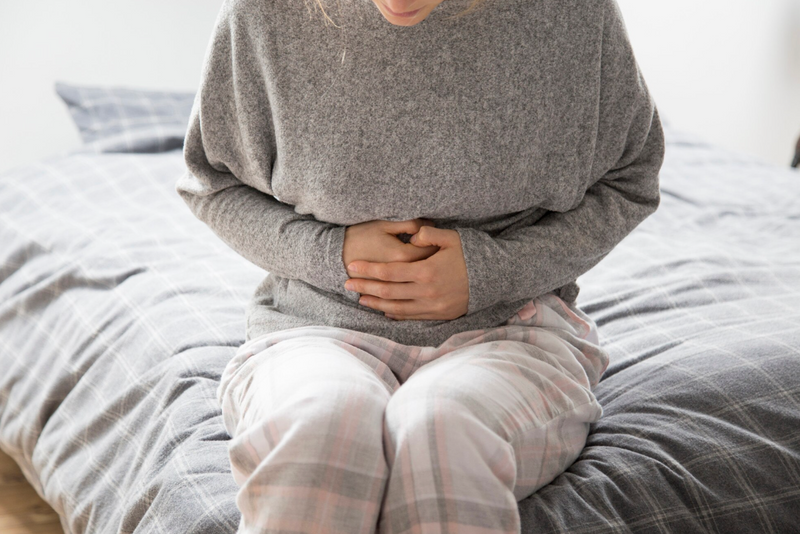
If you live with PCOS/PMOS, you may have noticed that your gut has its own story to tell. Bloating, cramping, and changes in bathroom habits are common complaints. For some women, these...
Type 2 letters or more. Press Enter for all results.

If you have been diagnosed with polycystic ovary syndrome, or are trying to understand what PCOS even means, you have probably already run into a wall of confusing information. Some of it is outdated. Some of it is flat-out wrong. And some of it can make you feel like there is nothing you can do.
The truth? Knowledge is power. When you understand how your body works, what research actually says, and what factors may influence your hormonal health, you are in a much stronger position to have productive conversations with your healthcare team and make informed choices.
Let's break down the most common PCOS myths, and replace them with science-based facts.

Polycystic ovary syndrome (PCOS) is one of the most common hormonal conditions affecting people with ovaries. Research estimates it affects 8–13% of people of reproductive age worldwide, though many cases go undiagnosed (World Health Organization, 2023).
PCOS is characterized by a combination of features that can include irregular menstrual cycles, elevated levels of androgens (hormones like testosterone), and the presence of multiple small follicles on the ovaries seen on an ultrasound. Not everyone with PCOS has all three features, which is part of what makes it so complex and often misunderstood.
The underlying biology involves a mix of hormonal imbalances, potential insulin signaling differences, and inflammatory factors, none of which are your fault, and all of which can be influenced by lifestyle and informed care.
Fact: Despite the name, you do not need to have cysts to receive a PCOS diagnosis. What appear on ultrasound as "cysts" are actually undeveloped follicles — tiny fluid-filled sacs that contain eggs. Having multiple follicles is a normal part of the ovarian cycle, and their presence alone does not confirm PCOS.
Diagnosis is typically made using the Rotterdam Criteria, which requires at least two of the following: irregular ovulation, elevated androgen markers, or polycystic ovarian morphology on ultrasound (Rotterdam ESHRE/ASRM Consensus, 2004). This means PCOS looks different in different people.
Fact: PCOS occurs across all body types and weights. Research shows that approximately 20% of people with PCOS have a "lean" phenotype, meaning they fall within a lower BMI range yet still experience the hallmark hormonal patterns (Barber et al., 2006).
Weight stigma in healthcare means that lean individuals with PCOS are often diagnosed later or not at all. Understanding that PCOS is not caused by weight, though weight changes can interact with hormonal patterns, is an important step in getting the right support.
Fact: PCOS is a leading cause of anovulatory infertility, meaning it can affect how regularly ovulation occurs, but it does not mean pregnancy is impossible. Many people with PCOS conceive naturally or with the support of a healthcare team.
Research continues to explore how lifestyle factors such as nutrition, movement, and stress management may influence ovulatory regularity in people with PCOS (Moran et al., 2011). Speaking with a reproductive endocrinologist can help you understand your individual situation.
Fact: Hormonal contraceptives are one tool that some healthcare providers discuss with PCOS patients, primarily for cycle regulation and androgen management. However, they are not the only option, and they are not right for everyone.
Research suggests that several lifestyle and nutritional factors may also play a role in supporting hormonal balance and overall well-being in people with PCOS. These include:
Always work with your healthcare provider to evaluate what approaches make sense for your unique needs.
Fact: PCOS is a systemic condition that can affect multiple body systems, not just the reproductive organs. Research has found associations between PCOS and factors related to metabolic health, including insulin sensitivity, lipid profiles, and cardiovascular markers (Escobar-Morreale, 2018).
This is why a whole-body wellness approach, rather than focusing solely on cycle regularity, is increasingly recommended by researchers and clinicians. Mental health is also part of the picture: studies show higher rates of anxiety and depression in people with PCOS, highlighting the importance of emotional support alongside physical care (Cooney & Dokras, 2018).
Understanding the hormonal patterns involved in PCOS can help make sense of why so many different symptoms can occur. Here is a simplified look at the key players:
Insulin is a hormone that helps cells absorb glucose (sugar) from the bloodstream for energy. In many people with PCOS, cells respond less efficiently to insulin, a pattern called insulin resistance. To compensate, the body produces more insulin. High insulin levels can, in turn, signal the ovaries to produce more androgens like testosterone. Elevated androgens are linked to several common PCOS symptoms, including irregular cycles and excess hair growth (Diamanti-Kandarakis & Dunaif, 2012).
Luteinizing hormone (LH) and follicle-stimulating hormone (FSH) are two hormones from the pituitary gland that regulate the ovarian cycle. In PCOS, LH levels are often elevated relative to FSH, sometimes at a ratio of 2:1 or higher (Balen, 2004). This imbalance can interfere with the typical follicular development that leads to ovulation, resulting in irregular or absent periods.
The stress hormone cortisol interacts with both insulin and androgen pathways. Chronic stress may worsen insulin resistance and contribute to elevated androgen levels (Pasquali et al., 2011). This is one reason stress management is increasingly discussed as part of a holistic PCOS wellness approach, not because stress "causes" PCOS, but because it can influence the hormonal environment.
While no lifestyle change can replace personalized medical care, research does suggest that several everyday habits can play a meaningful role in overall hormonal health and well-being. Here is what the evidence says, without overstating it.
There is no single "PCOS diet," but research supports eating patterns that help maintain stable blood sugar levels. This typically includes:
A 2019 review in the journal Nutrients found that Mediterranean-style eating patterns were associated with improvements in hormonal and metabolic markers in people with PCOS (Barrea et al., 2019). Again, speak with a registered dietitian to personalize any nutritional approach.
Regular physical activity is one of the most well-researched lifestyle factors for supporting insulin sensitivity. Both aerobic exercise (like walking, cycling, or swimming) and resistance training (like weightlifting or bodyweight workouts) have shown positive associations with hormonal markers in people with PCOS (Harrison et al., 2011). The good news: even moderate, consistent movement, like a 30-minute daily walk, may be meaningful.
Sleep is a critical but often overlooked factor in hormonal health. During sleep, the body regulates cortisol, growth hormone, and other key hormones. People with PCOS have a higher prevalence of sleep disorders, including obstructive sleep apnea (Tasali et al., 2008). Prioritizing 7–9 hours of quality sleep per night, and discussing any sleep difficulties with your doctor, may be one of the most supportive things you can do for overall wellness.
Because cortisol interacts with both insulin and androgen pathways, practices that support stress resilience may have downstream effects on hormonal balance. Mindfulness-based stress reduction (MBSR), yoga, journaling, and adequate rest have all been studied in the context of hormonal wellness. A 2021 review in the Journal of Psychosomatic Obstetrics & Gynecology found that mind-body interventions showed promise for improving quality of life in people with PCOS (Brutocao et al., 2021).
Nutrient deficiencies are common in the general population, and research suggests this may be especially true for people with PCOS. Below is a summary of nutrients that scientists have studied in relation to hormonal and metabolic health. This is not a recommendation to supplement, always consult your healthcare provider and get appropriate lab testing first.
Inositol is a naturally occurring compound found in foods like fruits, beans, and grains. It plays a role in cell signaling, including the pathway through which insulin works. Several clinical trials have investigated myo-inositol and D-chiro-inositol supplementation in people with PCOS, with results suggesting possible associations with ovulatory frequency and androgen levels (Unfer et al., 2017). The ratio of myo-inositol to D-chiro-inositol (typically 40:1) has been a subject of active research.
Vitamin D deficiency is widespread globally, and studies have found that people with PCOS tend to have lower vitamin D levels than those without the condition (Wehr et al., 2011). Vitamin D receptors are found in ovarian tissue, and this vitamin plays a role in immune function, insulin signaling, and inflammation — all systems relevant to PCOS biology. Testing your vitamin D level (25-OH vitamin D) through a blood test is a simple first step.
Magnesium is involved in over 300 enzymatic reactions in the body, including those related to glucose metabolism. Research has found that magnesium deficiency is more common in people with insulin resistance, and that low magnesium levels may worsen insulin signaling (Barbagallo & Dominguez, 2007). Magnesium-rich foods include leafy greens, pumpkin seeds, dark chocolate, and legumes.
Omega-3 fatty acids, particularly EPA and DHA found in fatty fish, have well-documented anti-inflammatory properties. Given that PCOS is associated with low-grade chronic inflammation (González et al., 2012), omega-3 intake has been an area of interest. A 2018 meta-analysis found that omega-3 supplementation was associated with improvements in triglyceride levels and hormonal markers in people with PCOS (Yang et al., 2018).
Zinc is a trace mineral with roles in hormone synthesis, immune function, and skin health. Some studies have found lower serum zinc levels in people with PCOS compared to those without, and research has explored how zinc supplementation may influence androgen metabolism and hair loss associated with elevated androgens (Jamilian et al., 2016). Zinc-rich foods include meat, shellfish, seeds, and legumes.
The dietary supplement industry is not as tightly regulated as pharmaceuticals, which means product quality can vary significantly. If you and your healthcare provider decide that supplementation is appropriate for your situation, here are some things to look for:
PCOS is not just physical. The experience of living with irregular cycles, unwanted symptoms, and the uncertainty of diagnosis can take a significant emotional toll. Research shows that people with PCOS have higher rates of anxiety, depression, and disordered eating patterns compared to those without the condition (Cooney & Dokras, 2018).
This is not a character flaw or weakness, it is a recognized part of the PCOS experience. Mental health support, whether through therapy, peer support communities, or simply educating yourself, is a valid and important part of a holistic wellness approach.
If you are struggling emotionally, please reach out to a mental health professional. You deserve support that addresses the whole you, not just your hormones.
One of the most empowering things you can do when navigating PCOS is to come to your appointments informed and prepared. Here are some questions you might ask your provider:
You are the expert on your own body. A good healthcare provider will welcome your questions and work with you collaboratively.
1. Balen, A. H. (2004). The pathophysiology of polycystic ovary syndrome: trying to understand PCOS and its endocrinology. Best Practice & Research Clinical Obstetrics & Gynaecology, 18(5), 685–706.
2. Barbagallo, M., & Dominguez, L. J. (2007). Magnesium and type 2 diabetes. World Journal of Diabetes, 6(10), 1152–1157.
3. Barber, T. M., et al. (2006). Metabolic characteristics of women with polycystic ovaries and oligo-amenorrhoea but normal androgen levels. Clinical Endocrinology, 66(4), 513–517.
4. Barrea, L., et al. (2019). Source and amount of carbohydrate in the diet and inflammation in women with polycystic ovary syndrome. Nutrients, 11(3), 555.
5. Brutocao, C., et al. (2021). Psychiatric disorders in women with polycystic ovary syndrome: a systematic review and meta-analysis. Gynecological Endocrinology, 37(10), 892–898.
6. Cooney, L. G., & Dokras, A. (2018). Depression and anxiety in polycystic ovary syndrome: etiology and treatment. Current Psychiatry Reports, 20(11), 83.
7. Diamanti-Kandarakis, E., & Dunaif, A. (2012). Insulin resistance and the polycystic ovary syndrome revisited. Endocrine Reviews, 33(6), 981–1030.
8. Escobar-Morreale, H. F. (2018). Polycystic ovary syndrome: definition, aetiology, diagnosis and treatment. Nature Reviews Endocrinology, 14(5), 270–284.
9. González, F., et al. (2012). Inflammation in polycystic ovary syndrome: underpinning of insulin resistance and ovarian dysfunction. Steroids, 77(4), 300–305.
10. Harrison, C. L., et al. (2011). Exercise therapy in polycystic ovary syndrome: a systematic review. Human Reproduction Update, 17(2), 171–183.
11. Jamilian, M., et al. (2016). Effects of zinc supplementation on endocrine outcomes in women with polycystic ovary syndrome. Biological Trace Element Research, 170(2), 271–278.
12. Moran, L. J., et al. (2011). Dietary composition in restoring reproductive and metabolic physiology in overweight women with polycystic ovary syndrome. Journal of Clinical Endocrinology & Metabolism, 88(2), 812–819.
13. Pasquali, R., et al. (2011). Obesity and androgens: facts and perspectives. Fertility and Sterility, 94(4), 1233–1241.
14. Rotterdam ESHRE/ASRM-Sponsored PCOS Consensus Workshop Group. (2004). Revised 2003 consensus on diagnostic criteria and long-term health risks related to polycystic ovary syndrome. Fertility and Sterility, 81(1), 19–25.
15. Tasali, E., et al. (2008). Polycystic ovary syndrome and obstructive sleep apnea. Sleep Medicine Clinics, 3(1), 37–46.
16. Unfer, V., et al. (2017). Myo-inositol effects in women with PCOS: a meta-analysis of randomized controlled trials. Endocrine Connections, 6(8), 647–658.
17. Wehr, E., et al. (2011). Association of hypovitaminosis D with metabolic disturbances in polycystic ovary syndrome. European Journal of Endocrinology, 164(4), 575–582.
18. World Health Organization. (2023). Polycystic ovary syndrome. https://www.who.int/news-room/fact-sheets/detail/polycystic-ovary-syndrome
19. Yang, K., et al. (2018). Omega-3 fatty acids supplementation on metabolic profiles in women with PCOS: a meta-analysis. Reproductive Biology and Endocrinology, 16(1), 1–11.
Educational content only. This article is not medical advice. Talk with a healthcare provider before you change your diet or start a supplement. *These statements have not been evaluated by the Food and Drug Administration. These products are not intended to diagnose, treat, cure, or prevent any disease.
If you live with PCOS/PMOS, you may have noticed that your gut has its own story to tell. Bloating, cramping, and changes in bathroom habits are common complaints. For some women, these...

If you live with polycystic ovary syndrome (PCOS), you probably think of it as a condition tied to your period, your skin, or your fertility. But PCOS/PMOS touches more than your reproductive...

If you live with polycystic ovary syndrome (PCOS), now PMOS, you probably think of it as a condition that affects your period, your skin, or your ability to get pregnant. But PCOS...