
IBS
PCOS/PMOS and Your Gut: The IBS Connection
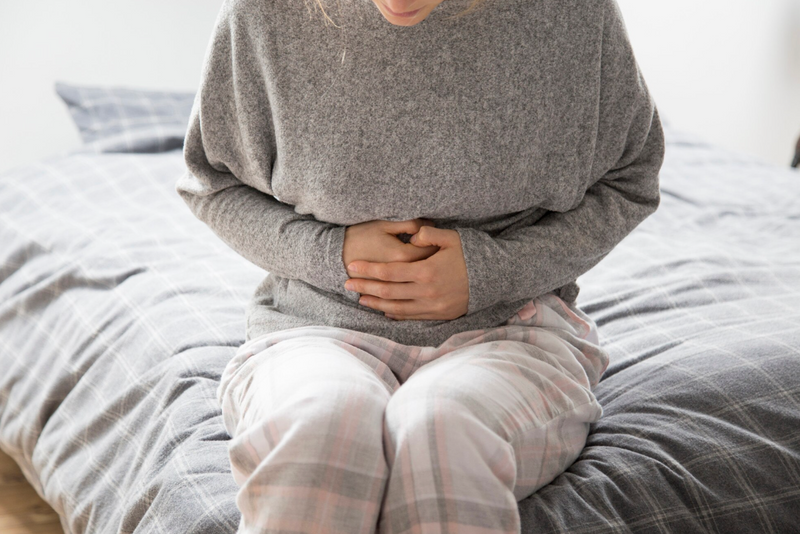
If you live with PCOS/PMOS, you may have noticed that your gut has its own story to tell. Bloating, cramping, and changes in bathroom habits are common complaints. For some women, these...
Type 2 letters or more. Press Enter for all results.

If you've heard of PCOS, Polycystic Ovary Syndrome, you're not alone. It's one of the most common hormonal conditions affecting women worldwide. And if you've been reading the Wholesome Story blog, you already know this moment was coming: a few months ago, we gave you a first look at why researchers and health organizations were pushing for a name change. Now it's official, as of May 2026, the condition will now be called Polyendocrine Metabolic Ovarian Syndrome, or PMOS.
At the beginning people thought it was just a name swap, but in reality, it's a big step toward better understanding, better awareness, and better support for millions of women. Which, let's face it. It's long overdue. Since we know you like to keep informed, we want to share with you what this means, why it matters, and what you can do to support your overall hormonal and metabolic wellness.

PMOS, Polyendocrine Metabolic Ovarian Syndrome, previously called Polycystic Ovary Syndrome, affects an estimated 1 in 8 women, or more than 170 million women worldwide, according to a landmark paper published May 12, 2026 in The Lancet by Professor Helena Teede and an international team of experts.¹
For decades, the old name led many people, and even some healthcare providers, to focus mainly on ovarian cysts. But here's the thing: research now shows there is actually no increase in abnormal cysts on the ovary in people with this condition.¹ The old name was misleading and contributed to missed diagnoses and inadequate care.
The new name, Polyendocrine Metabolic Ovarian Syndrome, better reflects what's really going on in the body:
As Professor Teede stated in the official press release from the Endocrine Society: *"What we now know is that there is actually no increase in abnormal cysts on the ovary, and the diverse features of the condition were often unappreciated."*¹
The renaming process was a 14-year global effort involving more than 56 patient and professional organizations, including the Endocrine Society, the largest global organization of scientists devoted to hormone research.¹
The process gathered more than 22,000 survey responses and included international workshops with patients and healthcare professionals across diverse cultural backgrounds.¹
Rachel Morman, Chair of Verity (PCOS UK) and a lived experience expert on the global name change process, explained it clearly: *"It is fantastic that the new name now leads with hormones and recognizes the metabolic dimension of the condition."*¹
The agreed principles for the new name included:
The new name will be fully implemented in the 2028 International Guideline update, with a three-year transition period and a major education and awareness campaign currently underway.¹
The renaming of PCOS to PMOS is more than a scientific update, it's a cultural shift that will impact a lot of cysters. Lorna Berry, an Australian woman with PMOS who played a key role in the renaming process, said it best:
"This is about accountability and progress. It is about my daughters, their daughters, and the countless women yet to be born. We deserve clarity, understanding, and equitable healthcare from the very beginning."
For women who have been searching online using terms like PCOS symptoms, hormonal imbalance in women, why is PCOS being renamed, or what is PMOS, this name change means more accurate information is on the way. It also signals to researchers, healthcare systems, and wellness brands that this condition deserves serious, science-backed attention.
If you've been previously diagnosed with PCOS, you don't need to do anything urgent right now. The three-year transition period is designed to give healthcare providers, researchers, and patients time to adapt.
Here's a quick summary of the transition:
|
Old Name |
New Name |
|
Polycystic Ovary Syndrome (PCOS) |
Polyendocrine Metabolic Ovarian Syndrome (PMOS) |
|
Focused on ovarian cysts |
Reflects hormonal + metabolic complexity |
|
Led to missed diagnoses |
Designed to improve recognition and care |
|
Implemented since the 1930s |
Full guideline update expected in 2028 |
PMOS is described by researchers as a long-term hormonal or endocrine disorder that can affect multiple body systems. The Endocrine Society describes it as involving "fluctuations in hormones, with impacts on weight, metabolic and mental health, skin, and the reproductive system."
Here's a simplified breakdown of the key body systems involved:
The endocrine system is your body's network of glands and hormones. Hormones act like messengers, they travel through the bloodstream and tell your organs and tissues what to do. In PMOS, hormone levels can fluctuate in ways that affect many areas of health at once.
Metabolism refers to how your body converts food into energy. Factors like blood sugar regulation, insulin sensitivity, and weight management are all part of metabolic health. Research has shown that metabolic factors play a significant role in PMOS.
The ovaries produce hormones like estrogen and progesterone that regulate the menstrual cycle. Hormonal fluctuations in PMOS can influence how the reproductive system functions, which is why it remains part of the condition's name.
Hormones influence skin oil production and hair follicle activity. This is why skin and hair changes are sometimes observed alongside hormonal fluctuations.
Research increasingly recognizes the connection between hormonal balance and emotional well-being. The bidirectional relationship between hormones and mental health is an active area of study.

While we cannot make claims about specific supplements or treatments, research consistently highlights several lifestyle habits that are associated with overall hormonal and metabolic wellness. These are general wellness practices — not prescriptions or medical advice.
A balanced, whole-food diet rich in fiber, lean protein, healthy fats, and a variety of colorful vegetables supports general metabolic function. Foods with a lower glycemic impact (think whole grains, legumes, non-starchy vegetables) are commonly discussed in the context of blood sugar balance.
Exercise is one of the most widely studied factors in metabolic health. Both aerobic activity (like walking or cycling) and strength training have been explored in the context of hormonal wellness. Even moderate, consistent movement can support energy balance and overall well-being.
Hormones are heavily influenced by your sleep-wake cycle, also known as the circadian rhythm. Adequate, quality sleep supports the regulation of cortisol (your stress hormone), insulin sensitivity, and reproductive hormones. Most adults benefit from 7–9 hours of sleep per night.
Chronic stress elevates cortisol, which can influence insulin levels, inflammation, and reproductive hormone balance. Practices like mindfulness, breathing exercises, yoga, and spending time in nature are frequently discussed in the context of hormonal wellness.
Certain nutrients play important roles in hormonal and metabolic function. Deficiencies in nutrients such as vitamin D, magnesium, B vitamins (especially folate and B12), zinc, omega-3 fatty acids, and inositol have been studied in the context of hormonal health. A healthcare provider can help determine if any nutrient gaps need to be addressed through diet or supplementation.
Note: Wholesome Story supplements are not intended to diagnose, treat, cure, or prevent any disease. Always consult your healthcare provider before starting any new supplement regimen.
Given the complexity of hormonal health, working closely with an endocrinologist, gynecologist, or primary care provider is essential. Early and accurate diagnosis can make a significant difference in long-term wellness outcomes.
At Wholesome Story, we believe that informed women make empowered health decisions. We are committed to producing high-quality dietary supplements that meet rigorous standards, and to providing educational content grounded in real science.
We will continue to follow the evolving research on PMOS and hormonal wellness, and we encourage every woman to partner with her healthcare team to understand what her body needs.
This blog post is intended for general informational purposes only and does not constitute medical advice. Wholesome Story products are dietary supplements and are not intended to diagnose, treat, cure, or prevent any disease or health condition. Individual results may vary. Consult your healthcare provider before making changes to your diet, supplement routine, or lifestyle.
Educational content only. This article is not medical advice. Talk with a healthcare provider before you change your diet or start a supplement. *These statements have not been evaluated by the Food and Drug Administration. These products are not intended to diagnose, treat, cure, or prevent any disease.
If you live with PCOS/PMOS, you may have noticed that your gut has its own story to tell. Bloating, cramping, and changes in bathroom habits are common complaints. For some women, these...

If you live with polycystic ovary syndrome (PCOS), you probably think of it as a condition tied to your period, your skin, or your fertility. But PCOS/PMOS touches more than your reproductive...

If you live with polycystic ovary syndrome (PCOS), now PMOS, you probably think of it as a condition that affects your period, your skin, or your ability to get pregnant. But PCOS...