
IBS
PCOS/PMOS and Your Gut: The IBS Connection
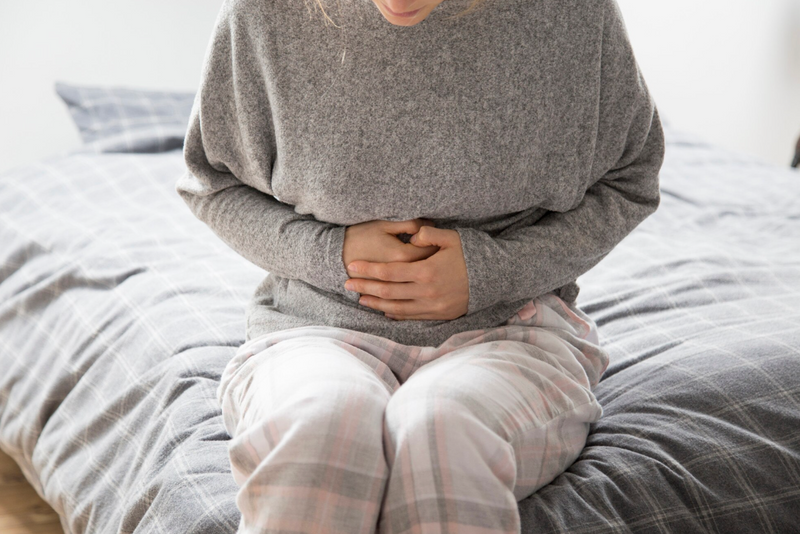
If you live with PCOS/PMOS, you may have noticed that your gut has its own story to tell. Bloating, cramping, and changes in bathroom habits are common complaints. For some women, these...
Type 2 letters or more. Press Enter for all results.

If you've been dealing with PCOS, you may have also heard your doctor mention your thyroid. Or maybe you're researching thyroid issues and keep stumbling across PCOS articles. It doesn't feel like a coincidence, and it's not.
These two conditions affect millions of people, mostly women, and they share more than a few frustrating symptoms. Fatigue, irregular periods, weight changes, mood swings, brain fog. Sound familiar? That overlap isn't random. There's real science behind why PCOS and thyroid problems tend to show up together.
Let's break it down, what each condition actually is, how they may be connected, and what everyday habits the research suggests can support your body's hormonal health.
PCOS, polycystic ovary syndrome, is one of the most common hormonal conditions affecting people with ovaries. It impacts an estimated 10–15% of women of reproductive age worldwide (Bozdag et al., 2016). Despite the name, you don't actually need to have cysts on your ovaries to be diagnosed with it.
PCOS is really a hormonal imbalance. It's characterized by elevated androgens (hormones like testosterone that are present in everyone but typically higher in people with PCOS), irregular or absent menstrual cycles, and sometimes small follicles on the ovaries seen on ultrasound.
A major player in PCOS is insulin resistance, when the body's cells don't respond to insulin the way they should. This makes the pancreas produce more insulin, which in turn can trigger the ovaries to produce more androgens. It's a cycle that affects metabolism, hormones, energy, and more.
Your thyroid is a small, butterfly-shaped gland in your neck, but it has an enormous job. It produces hormones, T3 and T4, that act like a thermostat for your whole body. They regulate your metabolism, body temperature, heart rate, energy levels, digestion, mood, and even your menstrual cycle.
The thyroid is controlled by the pituitary gland, which releases TSH (thyroid-stimulating hormone) to tell the thyroid how much hormone to make. When the thyroid produces too little hypothyroidism, everything slows down. When it produces too much hyperthyroidism, everything speeds up.
Thyroid conditions are far more common in women than men, women are 5 to 8 times more likely to develop a thyroid disorder in their lifetime (Taylor et al., 2018). The most common cause of hypothyroidism in developed countries is an autoimmune condition called Hashimoto's thyroiditis, where the immune system mistakenly attacks thyroid tissue.
Short answer: yes, research strongly suggests they are. Here's what multiple studies have found:
Hormones don't operate in isolated silos. They communicate constantly through feedback loops, and when one part of the system is disrupted, others often compensate, or break down.
For example: low thyroid function slows metabolism, which can worsen insulin resistance. Worsened insulin resistance drives up androgen production. Elevated androgens interfere with ovulation and menstrual cycles. Meanwhile, the immune system, already activated in autoimmune thyroid disease, may contribute to broader hormonal disruption. Each piece affects the others.
This is why treating only one condition sometimes leaves people still feeling lousy. The body is a system, and hormonal health requires looking at the full picture.
A standard thyroid test only measures TSH. But a fuller picture includes Free T3, Free T4, and TPO antibodies (which can detect autoimmune thyroid activity). If you have PCOS and haven't had a full thyroid workup, it's worth asking your doctor about, especially if you're experiencing persistent fatigue, hair loss, or temperature sensitivity.
Because insulin resistance is a key driver in PCOS and compounds thyroid issues, what you eat matters. Research consistently supports a diet rich in vegetables, fiber, lean protein, and healthy fats, and lower in ultra-processed foods, refined sugars, and excess simple carbohydrates (Esposito et al., 2018).
A Mediterranean-style eating pattern has been particularly well-studied for its effects on insulin sensitivity and inflammation, both relevant to PCOS and thyroid health. This doesn't mean you need a perfect diet. It means prioritizing whole, minimally processed foods most of the time.
Both resistance (strength) training and moderate aerobic exercise have been studied for their effects on insulin sensitivity, androgen levels, and metabolic markers in women with PCOS (Moran et al., 2011). Exercise doesn't need to be extreme, walking, cycling, swimming, or weightlifting done consistently can make a meaningful difference. The goal is regularity, not intensity.
Sleep deprivation directly impacts insulin sensitivity, cortisol levels, thyroid hormone conversion, and appetite-regulating hormones. People with PCOS also have higher rates of sleep apnea, which further disrupts metabolic health. Aiming for 7–9 hours of quality sleep per night isn't a luxury, it's a foundational part of hormonal health.
Chronic stress keeps cortisol levels elevated. Cortisol affects insulin resistance, suppresses thyroid hormone conversion (T4 → T3), and disrupts the hormonal signaling involved in menstrual cycles. Managing stress isn't just about feeling better mentally, it has direct physiological effects on the hormonal systems involved in both PCOS and thyroid health. Practices like mindfulness, gentle movement, time in nature, and strong social connection all have research support.
Since autoimmune activity underlies both Hashimoto's thyroiditis and may play a role in PCOS, lifestyle factors that influence inflammation are worth attention. Smoking, alcohol excess, sedentary behavior, poor sleep, and highly processed diets all promote systemic inflammation. Conversely, a diet rich in antioxidants and omega-3 fatty acids, regular movement, and adequate sleep all support immune regulation.
PCOS and thyroid issues are both genuinely hard to live with. They're exhausting, confusing, and often dismissed or misunderstood. The fact that they frequently co-occur, and reinforce each other through shared hormonal and metabolic pathways, makes it even more important to look at them together rather than in isolation.
If you have one of these conditions and still feel unwell, advocate for yourself. Ask for comprehensive testing. Work with a healthcare provider who understands the connection. And in the meantime, the lifestyle habits above, consistent sleep, nourishing food, regular movement, stress management, aren't just general wellness advice. They're directly relevant to the underlying biology of both conditions.
You deserve to understand what's happening in your body. That knowledge is the first step.
Educational content only. This article is not medical advice. Talk with a healthcare provider before you change your diet or start a supplement. *These statements have not been evaluated by the Food and Drug Administration. These products are not intended to diagnose, treat, cure, or prevent any disease.
If you live with PCOS/PMOS, you may have noticed that your gut has its own story to tell. Bloating, cramping, and changes in bathroom habits are common complaints. For some women, these...

If you live with polycystic ovary syndrome (PCOS), you probably think of it as a condition tied to your period, your skin, or your fertility. But PCOS/PMOS touches more than your reproductive...

If you live with polycystic ovary syndrome (PCOS), now PMOS, you probably think of it as a condition that affects your period, your skin, or your ability to get pregnant. But PCOS...